Careful what you say!
Several political expressions that only a couple of years ago were protected by freedom of speech laws are now illegal. The sheer volume of new rules is cause for concern.
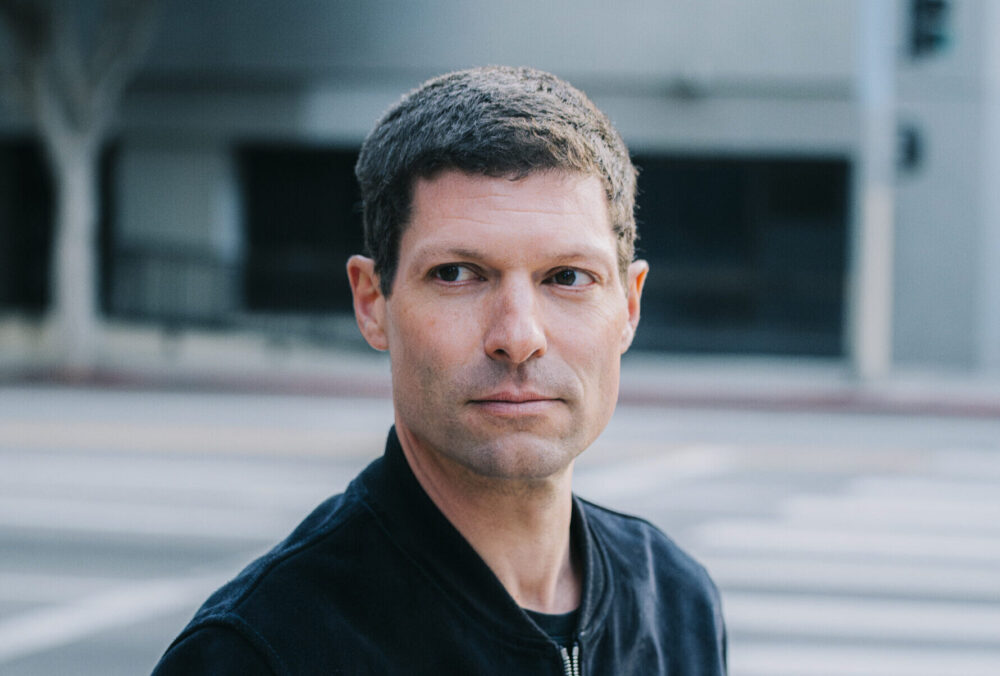
A guest contribution by Ronen Steinke
Many of the rules enforced by criminal courts are simple: do not steal, do not kill. These are relatively similar to the ten commandments, ground rules that are so easy to remember, even children understand them. They are not complicated. You don’t take things that belong to other people: clearly. You don’t hit other people unless you are forced to defend yourself: right. Of course, in the application of these rules, there are shades of grey, legally speaking. Obviously, legal subjects are sometimes left with doubts. In principle, however, there are clear dos and don’ts that most people are aware of. You shouldn’t get as far as primary school without having learned what you can and can’t do, and what you will be punished for. It is for this reason that the state can expect you to comply with the rules. And it is for this reason that we rarely see anyone stand up in court and ask in genuine astonishment: excuse me, wasn’t that allowed?
When it comes to speech crimes, however, things are very different altogether. As of 2015, provisions have increased in number and severity. A new criminal offence designated “inflammatory insults” (verhetzende Beleidigung) now stands alongside a new offence concerning insults directed at “persons in political life”. The offences of incitement to hatred and the public approval of criminal offences have also been expanded. At the same time, German case law has been engaged so intensely with all of these issues that interpreting them, in many cases, has become dynamic and contentious.
One result is pro-Palestine protestors standing before the courts, genuinely astonished to learn that using long-standing slogans such as the call for Palestine to be “free” from the river to the sea may now expose them to criminal prosecution. At the same time, police officers may find themselves standing alongside demos, such as they did during 2025 in Kreuzberg, with lists in their hands reading “Guidelines on Criminal Speech Offences”. Jews murder children: illegal. Israel murders children: legal. Stop the Palestinian Holocaust: illegal. Stop the Palestinian Genocide: legal.
According to one reporter from the ZEITmagazin, the list is a remarkable 22-pages long. It seems that without such a cheat sheet, even specially trained police officers cannot reliably remember all the details. “Our instructions change constantly depending on court rulings and on whichever guidelines are issued by the Interior Ministry and by public prosecutors” wrote the reporter, in a bid to illicit some understanding for police officers (published on 7 August 2025).
I have to say, this is a problem. Demonstrators are expected to be well informed, to know what’s permitted. What that means is knowing which things they have, on the one hand, a fundamental right to express in a democracy, regardless of whether some may find them crude or repulsive and which things are, on the other hand, illegal. They are expected to abide by the rules. Break them, and they are forcibly removed from the demo, potentially punished. They are then heavily reprimanded, and always on moral grounds: they should have known.
Elsewhere, pensioners have had to appear in court, embarrassed and, let’s be honest, baffled. They face criminal proceedings for having ridiculed powerful politicians, calling them an “idiot” or “stupid”, for example. Many of them are genuinely confused as to where, pray tell, the line is between the sort of blunt or sharply worded criticism of those in power that was always allowed – and always should be – versus those expressions currently being pursued in the courts. The fact of the matter is that many legal scholars are equally astonished by what’s going on.
When it comes to punishing speech, especially political speech, the state is currently making so many revisions that while it has become widely understood that the state now intends to take these matters more seriously, many citizens can scarcely keep up with the details, even while acting in good enough. This is not a good sign.
Ronen Steinke is a legal scholar and senior editor at the “Süddeutsche Zeitung”. His latest book, “Freedom of Expression: How the Police and the Courts Restrict Our Fundamental Rights – and How We Can Defend Them” is on the Der Spiegel bestseller list. On July 2nd, he will be a guest on Publix Thursday. Get your ticket here!