Meet the residents: Klexikon.de
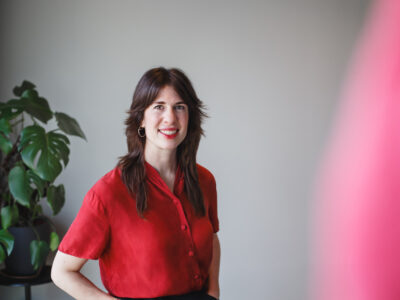
In each edition of our newsletter, we introduce an organisation that works in the Publix building. Michael Schulte is a journalist and founder of Klexikon.de, the "Wikipedia for children".

What is the core of your work?
Klexikon is the largest free online children's encyclopaedia in the German-speaking world – comprehensible, ad-free and anchored as a non-profit. We make knowledge so that children can actually use it: write comprehensibly, explain cleanly, check editorially, keep current – and incorporate feedback. Children are merciless editors in this respect: if something is unclear, they say so immediately.
What’s your goal?
Children should find answers that help them progress – and in such a way that they want to keep asking questions. An important part of this is our multi-week workshops: we've now worked with children in over 100 school classes on how to research, write and how free knowledge is created in Klexikon.
Where is your focus at the moment?
On ensuring Klexikon remains reliable – not just as a project, but as an editorial team. For that we need partners, foundations, donors and supporters who make continuous editorial work possible. Because "free for everyone" unfortunately doesn't mean "free to produce".
What was your greatest success of recent months?
That Klexikon was used very heavily in 2025 despite AI – and that children sent several thousand messages via the contact form. That's worth gold to us. And besides: it's quite a special moment when the Federal President describes Klexikon in a letter for the 10th anniversary as "of high quality" and "indispensable". But a favourite success remains when a child writes: "Now I've understood it."
What gives you headaches?
That an encyclopaedia is never finished – especially with subject areas like politics, geography or well-known people. You have to constantly update, simplify, check, refresh. At the same time, "quick answers" are becoming more readily available everywhere – and that makes it all the more important that children continue to find places they can trust.
What is your contribution to a plural media landscape?
With Klexikon, we've been showing since late 2014 how free knowledge can work reliably for children too. Something like this is needed: in 2025 Klexikon had 15 million page views and 7 million visits. The fact that Wikipedia still has no official children's offering makes this gap visible – and at the same time: it can be closed if we tackle it seriously.
Which journalistic project has impressed you most recently?
"Journalismus Macht Schule", because it shows quite practically how news literacy emerges: journalists go into schools, explain their work, discuss disinformation, sources and current topics. We sit next to the project team at Publix and benefit from one another: we too experience how important and valuable schools are as partners.
Publix: What should one listen to or watch now?
Our interview with Wikipedia founder Jimmy Wales: it's a conversation about Klexikon and about why a "Wikipedia for children" isn't actually so trivial. Wales also talks about how the idea was discussed early on and what responsibility comes with it
Photocredit: private