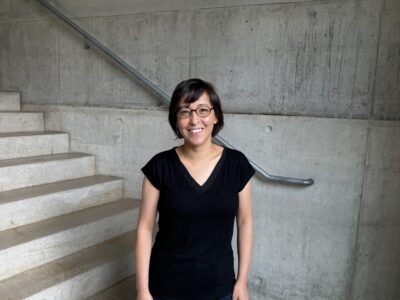
Meet the residents: Reporter ohne Grenzen
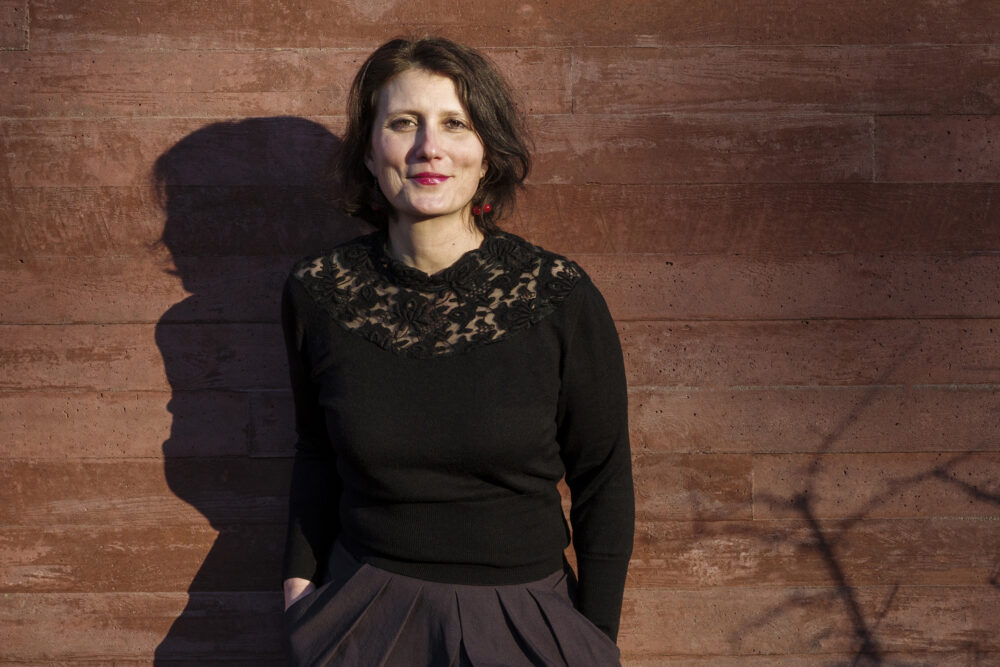
In each edition of our newsletter, we introduce an organisation that works in the Publix building. This time: Prisca Martaguet from the Communications Department at Reporters Without Borders.
What is the core of your work?
We are the German section of Reporters Without Borders (RSF), the international human rights organization headquartered in Paris, founded in 1994. As part of a global network, we defend the freedom, pluralism, and independence of journalism, and especially those who work every day to uphold these values: journalists themselves. Every year on May 3, World Press Freedom Day, we publish the World Press Freedom Index. We also provide emergency assistance to journalists at risk and run annual fellowship programs that bring journalists from a wide range of countries to Berlin, where they can continue their professional development and advance their projects. We are also active on the political level. We advocate for press freedom in discussions with policymakers, submit position papers to the German government, file criminal complaints before German courts and the International Criminal Court (ICC), and campaign against abusive lawsuits known as SLAPPs (Strategic Lawsuits Against Public Participation). Journalists who suspect that their mobile devices have been surveilled can seek support from our Digital Security Lab. We are non-partisan and independent. That is why we are especially proud of our many members, donors, and supporters, whose contributions make our independent work possible.
What’s your goal?
We want to be the first point of contact in Germany and around the world whenever journalists or press freedom are under threat. Our aim is to help ensure that media professionals can work freely, safely, and as independently as possible from political, economic, legal, and social pressures.
Where is your focus at the moment?
Even when journalists manage to escape an immediate threat and reach what appears to be safe exile, they are often still targeted across borders. We are seeing this form of transnational repression increase worldwide, including in Germany. Policymakers and security authorities are still too often lagging behind. To bring the attention this issue deserves, we will publish a comprehensive report on the subject in June.
What was your greatest success of recent months?
We are always proud to see how widely our World Press Freedom Index is discussed around the world—even when those discussions are controversial. However, we were especially happy when journalist Elif Akgül was released from prison in Turkey last year. She had previously participated in one of our fellowship programs. We encouraged people to send postcards to her in prison to let her know: We have not forgotten you, and we are fighting for your freedom.
What gives you headaches?
We do not want to be alarmist, but our data clearly shows that press freedom is steadily deteriorating. In Germany as well, the environment for journalists is becoming increasingly hostile, reflecting broader social polarization—whether during investigations into far-right networks or while covering demonstrations and protests related to the conflict in the Middle East. We are also deeply concerned about the situation facing journalists in conflict and crisis zones, particularly in Gaza.
What is your contribution to a plural media landscape?
Promoting media diversity lies at the very heart of our work. Without a diverse media landscape, press freedom cannot exist. From the very beginning, Reporters Without Borders has contributed to the development of Publix because we believe that the idea of a productive and creative home for nonprofit journalism is essential to a strong democracy.
Who or what deserves more attention?
Before joining RSF, I spent many years working in refugee support and civic participation initiatives and was in close contact with associations and civil society organizations that help people find orientation and access opportunities for participation. I became increasingly frustrated that these very structures have repeatedly faced drastic funding cuts or complete withdrawal of support, even as Germany was actively promoting immigration abroad.
What is the best reading on the current situation?
1984. Simply timeless.
What should one listen to or watch now?
Although I have lived in Germany for quite some time, I still follow many French media outlets. One particularly interesting format is Thinkerview, which offers long, uncensored, and unedited interviews that allow audiences to really immerse themselves in a topic. As a counterpoint, I also enjoy short-form social media content from outlets such as Konbini, StreetPress, Blast, and Portail Basta, which publishes selected articles from independent media. I also appreciate the provocative and ironic style of the French Foreign Ministry’s account, French Response.
Photocredit: private